

Why sanding can be frustrating
✗ Why does the abrasive stop cutting?
✗ Why does the backing tear?
✗ Why is it difficult to maintain a consistent profile?
✗ Why do tight corners always lose their crisp detail?
The familiar frustrations
Every abrasive wears out. Some last longer than others, but cutting efficiency always declines over time.
Clogging
Dust and material buildup reduce cutting performance and cause burnishing rather than effective cutting.
Torn backings
Paper and cloth backings flex, wear and eventually fail.
Inconsistent shaping
Maintaining an accurate profile by hand can be difficult.
Rounded corners and lost detail
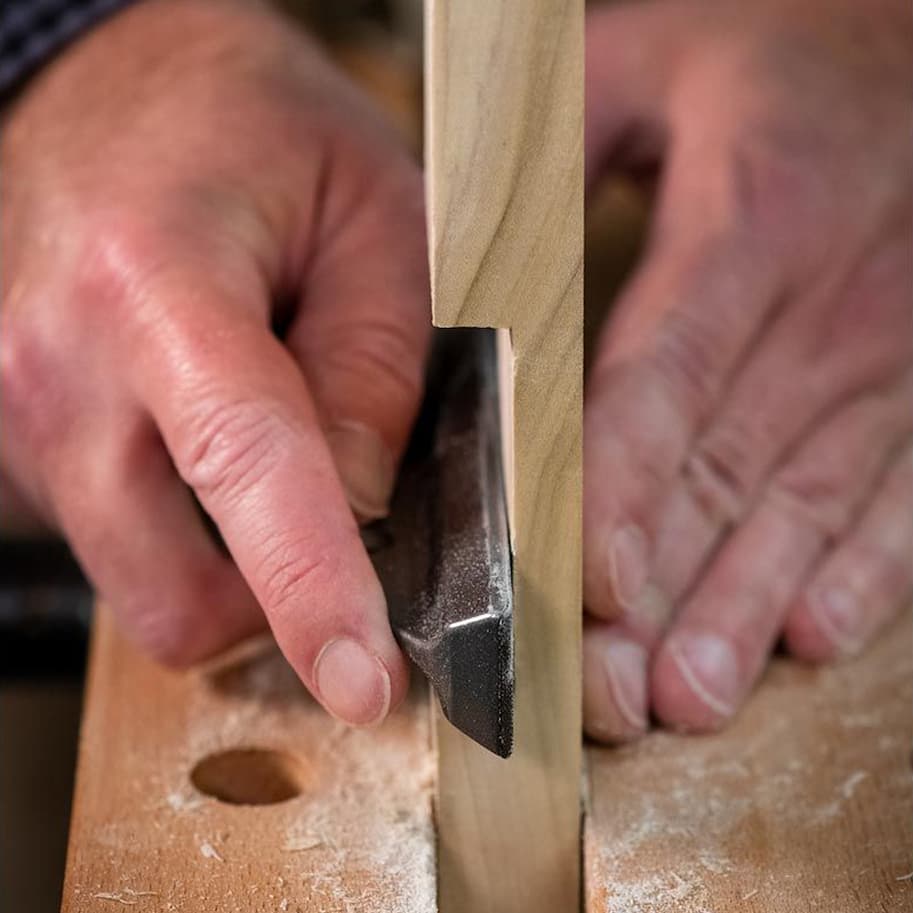
Getting into tight corners without softening crisp edges can be challenging.
Muddying the grain
As abrasives break down, worn particles can affect surface quality and the final finish.
A different approach
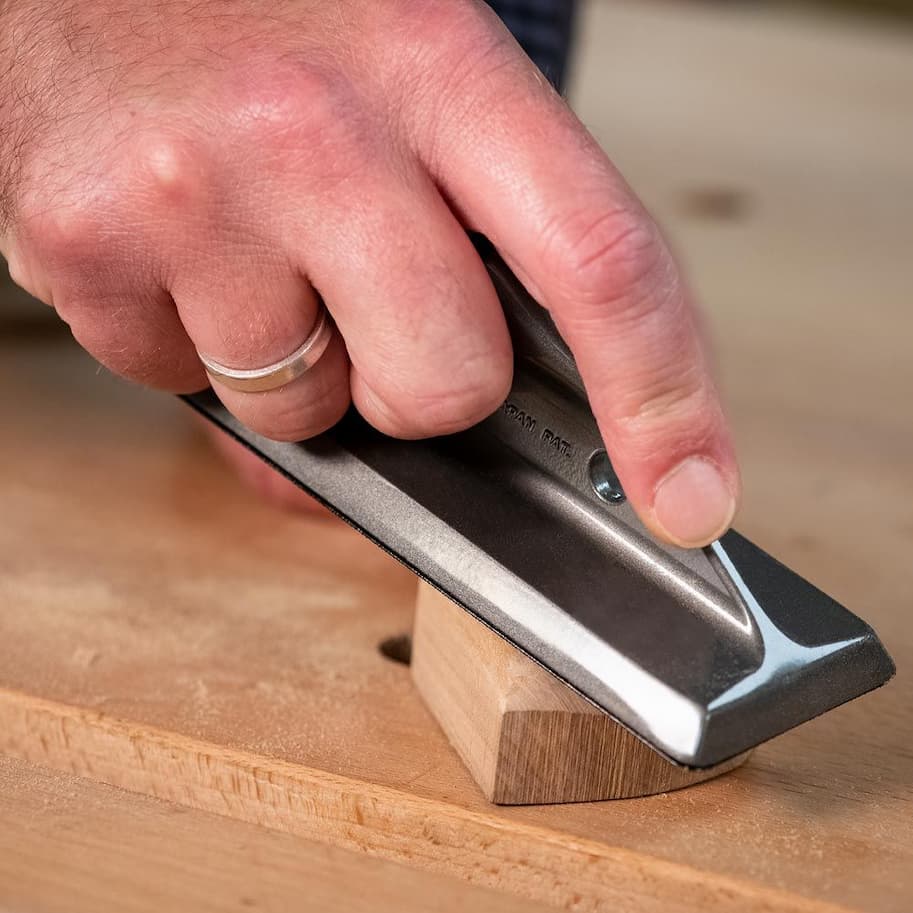
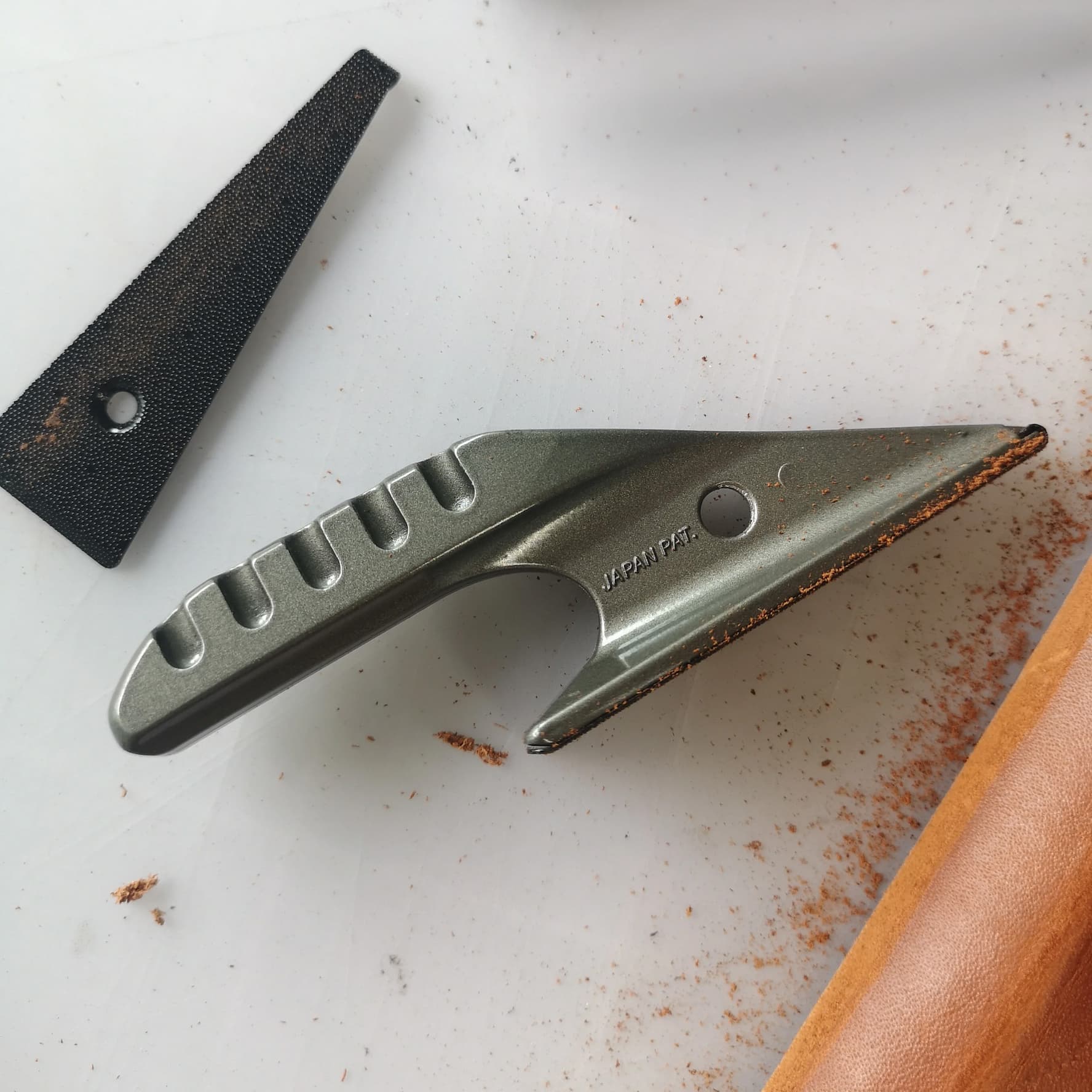
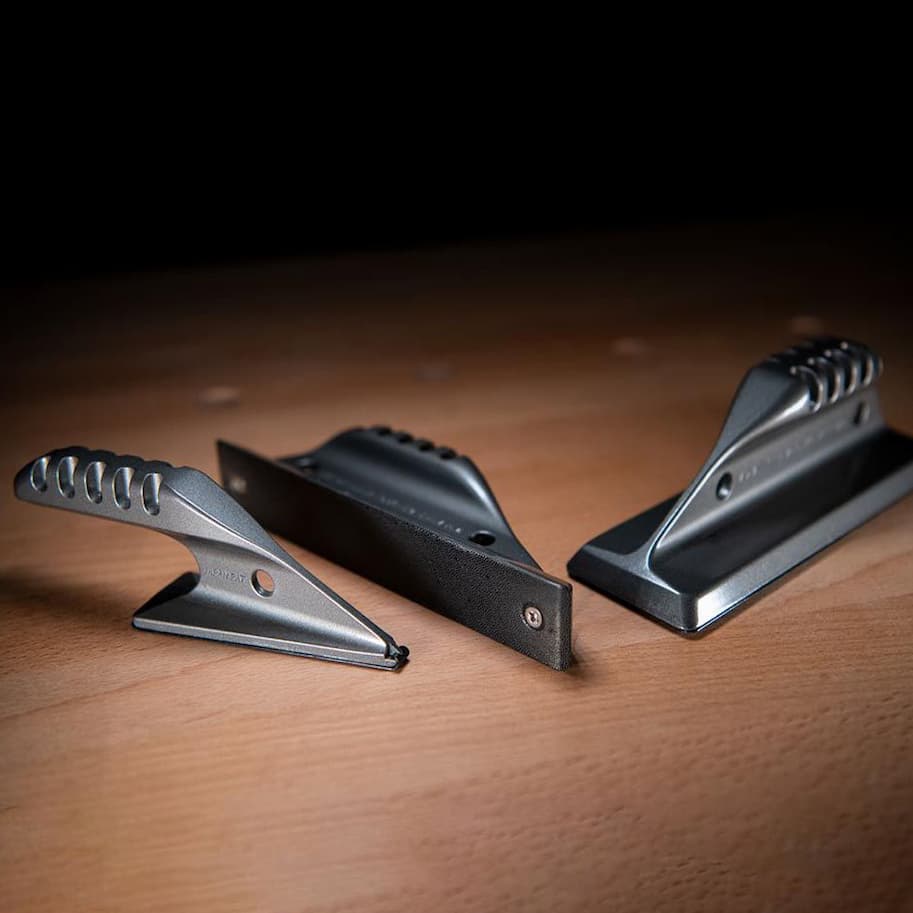
One solution is to remove the paper backing altogether. NT Cutter Japan has developed a range of embossed steel sanding plates designed to overcome these frustrations.
The cutting surface is formed directly into hardened steel plates that mount onto dedicated handles.
Different plates can be swapped quickly depending on whether the job requires aggressive shaping, refining or finishing.
Where sanding plates can be useful
 |
 |
|
Sand in multiple directions |
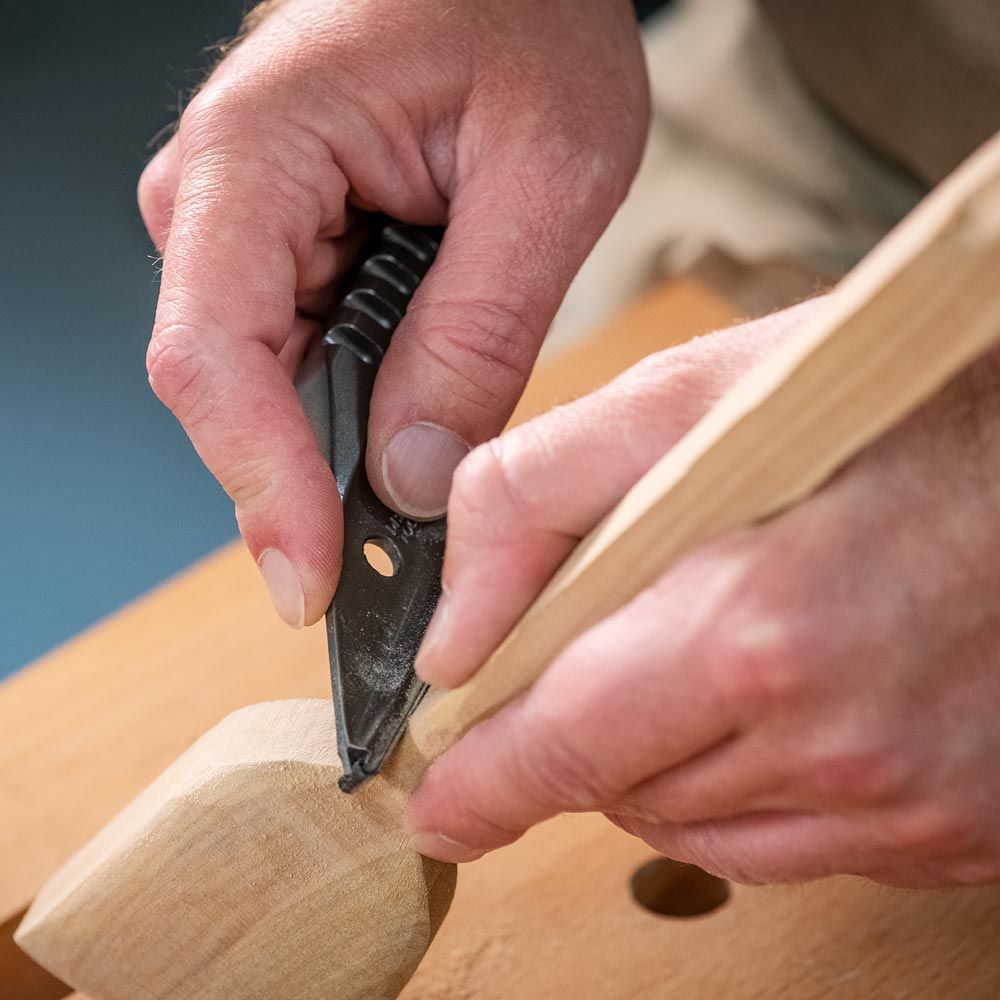
Detail work |
 |
 |
|
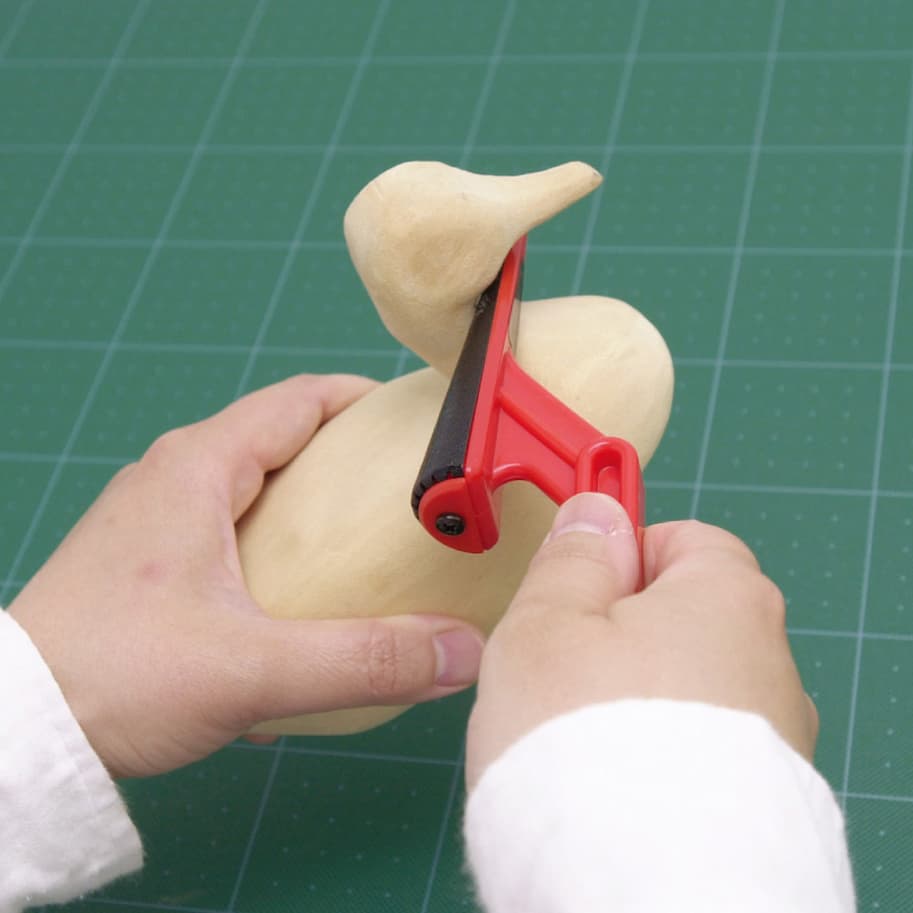
Shaping profiles consistently |
Working into tight corners |
 |
 |
|
Beyond woodworking |
When files are too aggressive |
Peter's Tip for Shaping
"When shaping a curve or profile, the sanding tool should dictate the shape—not your fingers.
Using a rigid sanding surface helps maintain consistency and repeatability, particularly when producing matching parts."
Remember
Sometimes the biggest improvement isn't a different grit—it's a completely different approach to sanding.
The Takeaway
Whether you're refining a moulding, cleaning up a tight corner or shaping a consistent profile, the right sanding tool can make the job easier and more efficient.